
DR. STEPHEN BLANDINO
PASTOR | AUTHOR | COACH | SPEAKER
BECOME A HIGH-PERFORMANCE LEADER & BUILD A HIGH-IMPACT CULTURE
Leaders today are frustrated by a lack of clarity, ineffective systems, dysfunctional teams, and unhealthy cultures. I speak, coach, and write to help motivated pastors and leaders gain clarity, build high-performance teams, and maximize personal and organizational health.
HOW I CAN HELP
COACHING
I coach leaders to gain clarity, overcome barriers, build high-performing teams, & maximize organizational health.
BOOKS
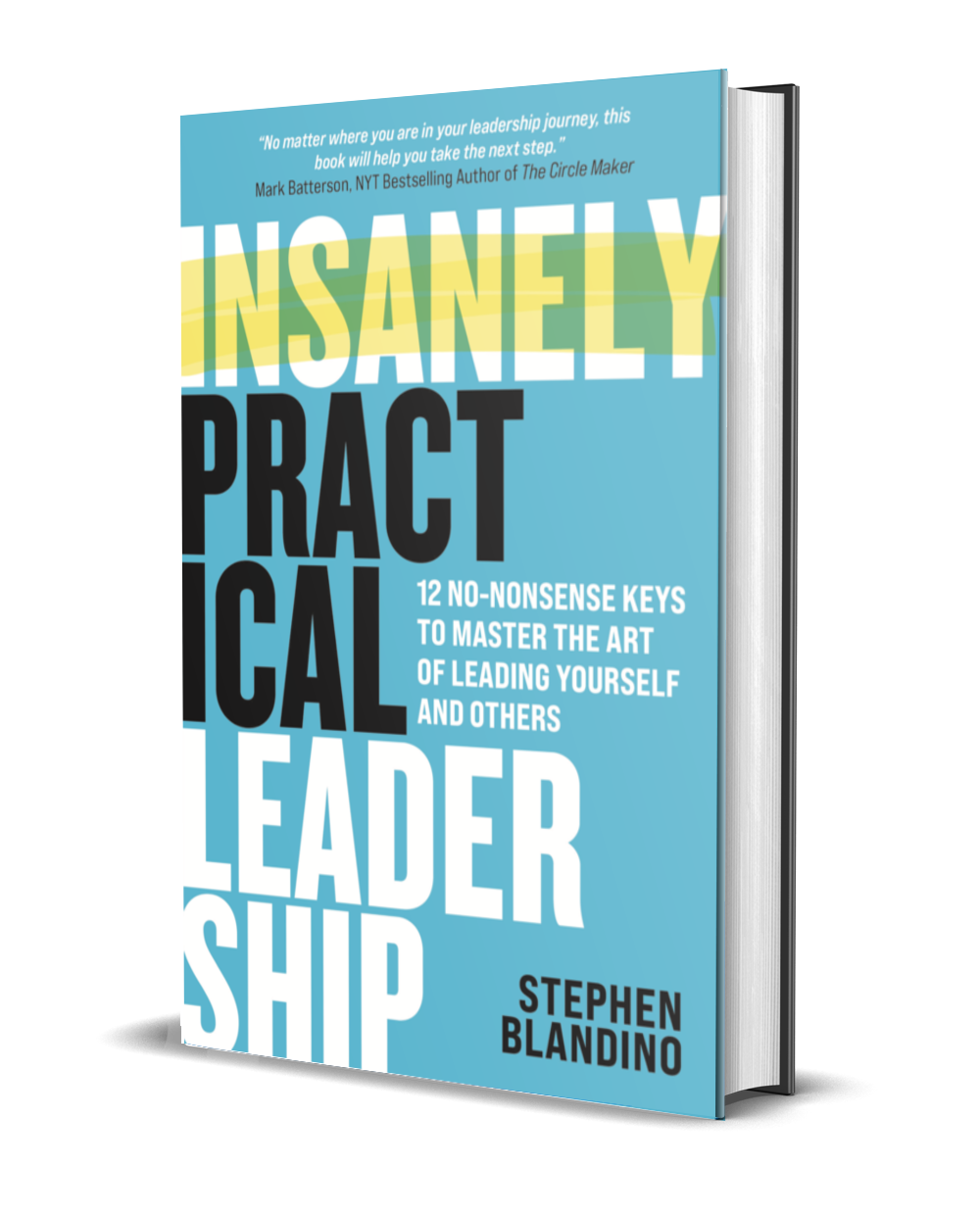
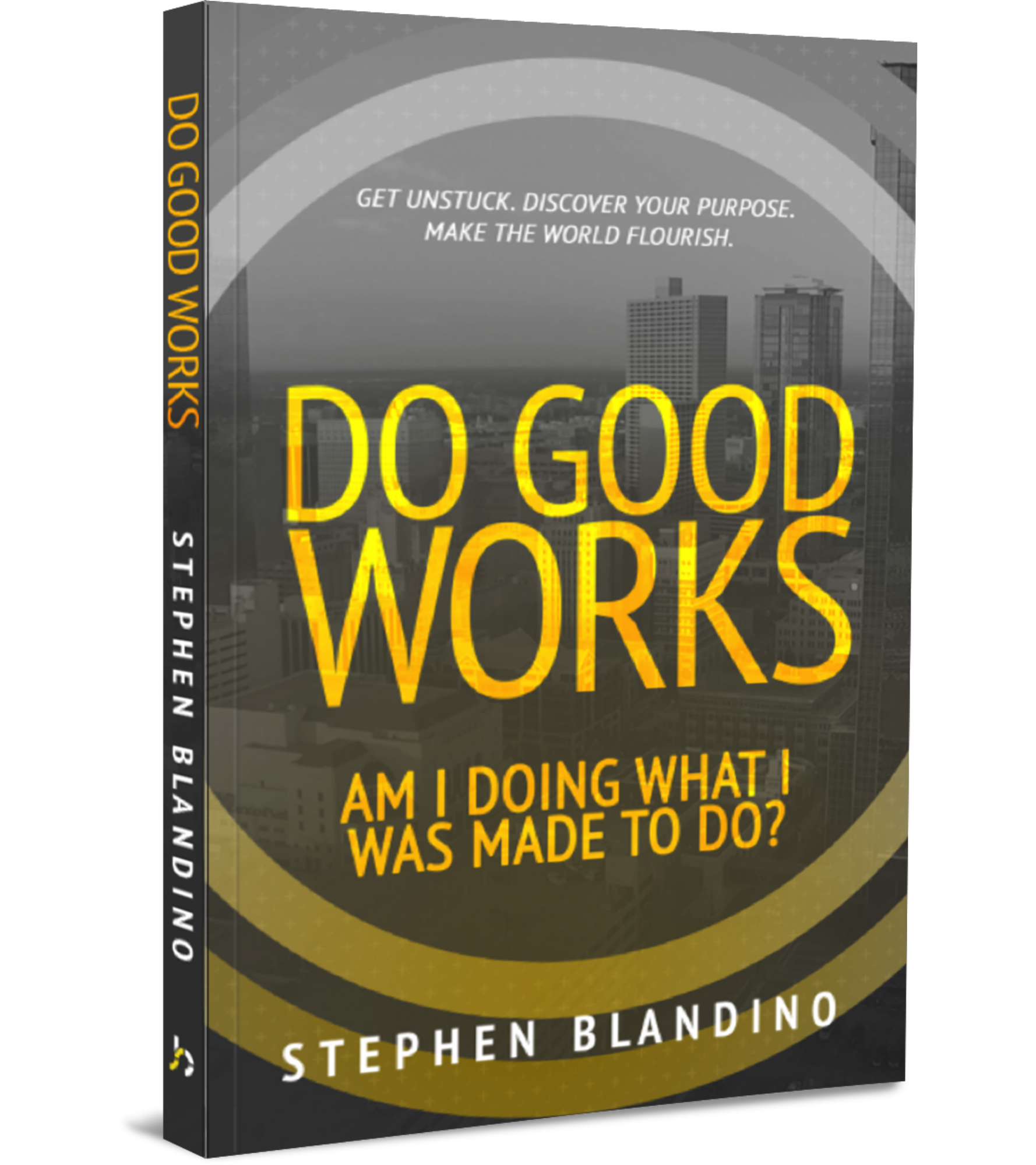
Check out my latest books including Insanely Practical Leadership, Stop Chasing Easy, and Do Good Works.
PODCAST
I host the “Leader Fluent’ Podcast to equip leaders to build thriving churches and organizations.
SPEAKING
I’m available to speak at events on leadership, personal growth, organizational development, and ministry topics.
BLOG
Articles on personal growth, leadership, culture, church, and organizational development.
FREE TOOLS
Check out these free resources to help you grow, improve your leadership, and create a healthier organization.
GET MY LATEST BOOK TODAY
FINALLY... TAKE THE GUESS WORK OUT OF LEADERSHIP
You don’t have to be a natural-born leader to be an extremely effective leader. Now, in the latest book by Stephen Blandino, you can move way beyond theory and discover 12 no-nonsense keys to master the art of leading yourself and others.
You’ll learn practical leadership skills such as personal growth, spiritual leadership, time management, decision-making, building influence, leading people, navigating conflict, coaching others, and more. Plus, when you order now, you’ll get access to bonus tools to further accelerate your leadership effectiveness. Check it out today.
OTHER BOOKS & RESOURCES BY STEPHEN BLANDINO

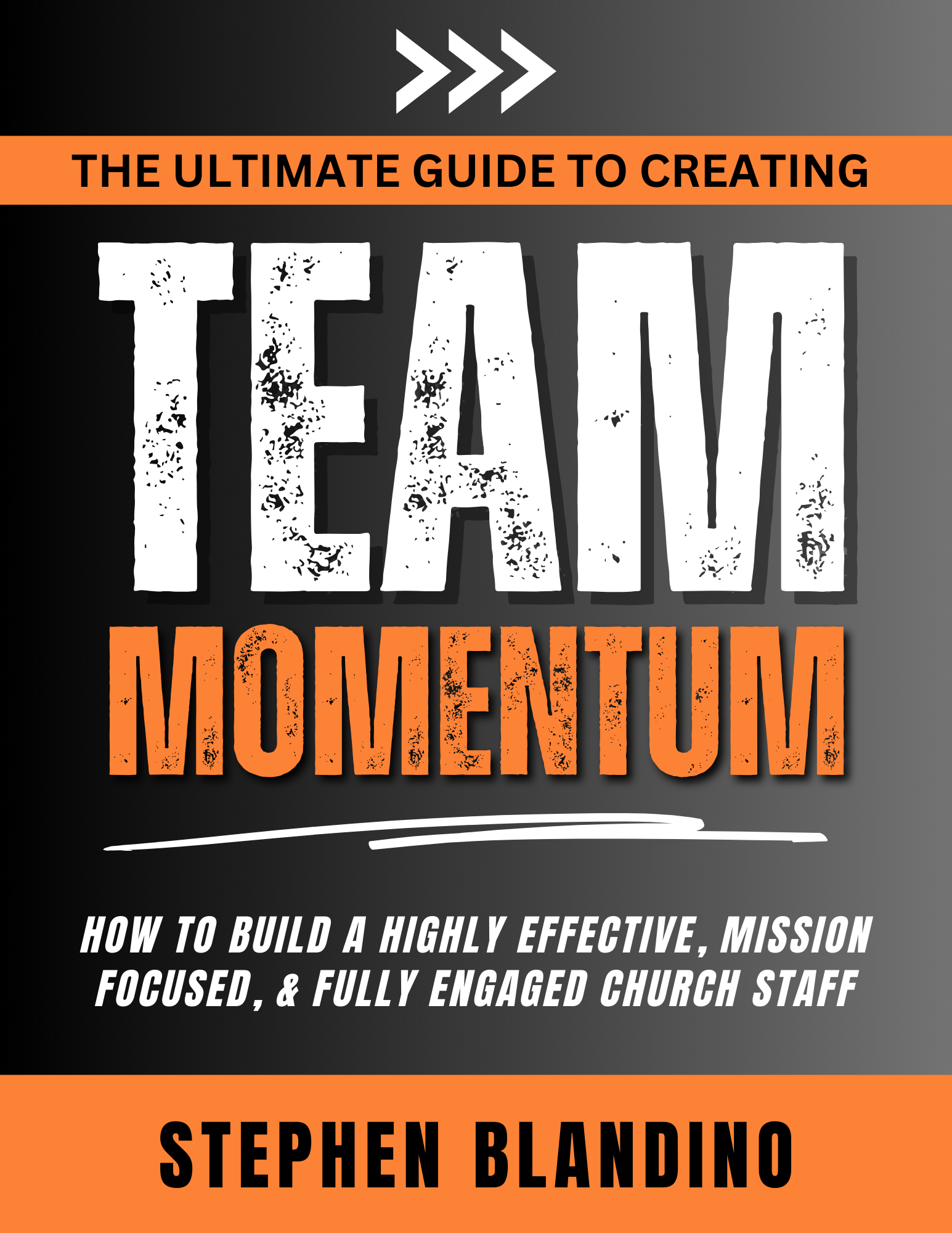
THE ULTIMATE GUIDE TO CREATING TEAM MOMENTUM
Building teams isn’t easy. Building team momentum is even harder. This practical 89-page guide provides the roadmap to BUILD A HIGHLY EFFECTIVE, MISSION FOCUSED, & FULLY ENGAGED CHURCH STAFF. Plus, you’ll download 25 customizable tools such as a role description, org chart, dozens of interview questions, onboarding checklist, staff meeting template, goal template, annual reviews, healthy teamwork scorecard, & more.
DOWNLOAD FREE RESOURCES TODAY
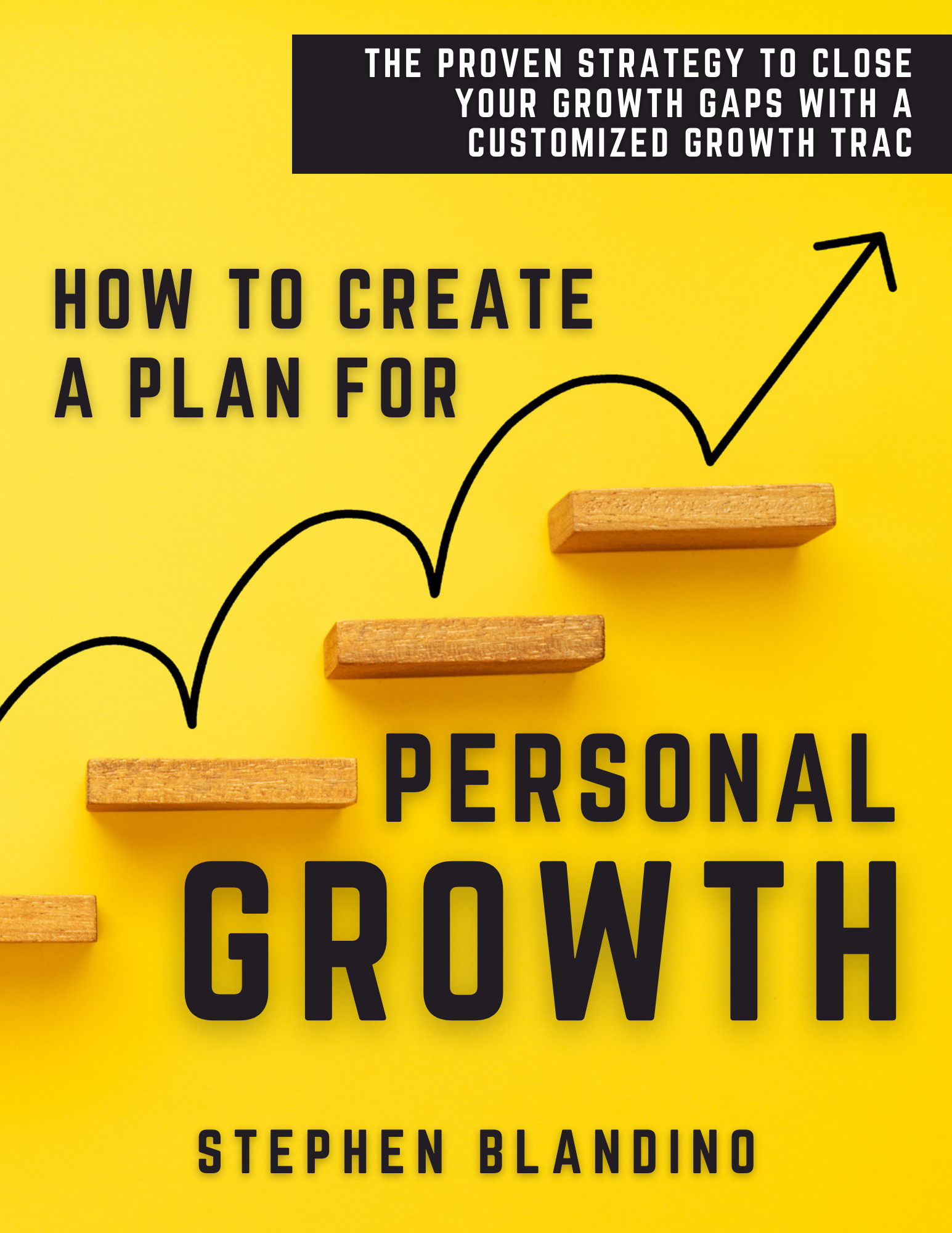
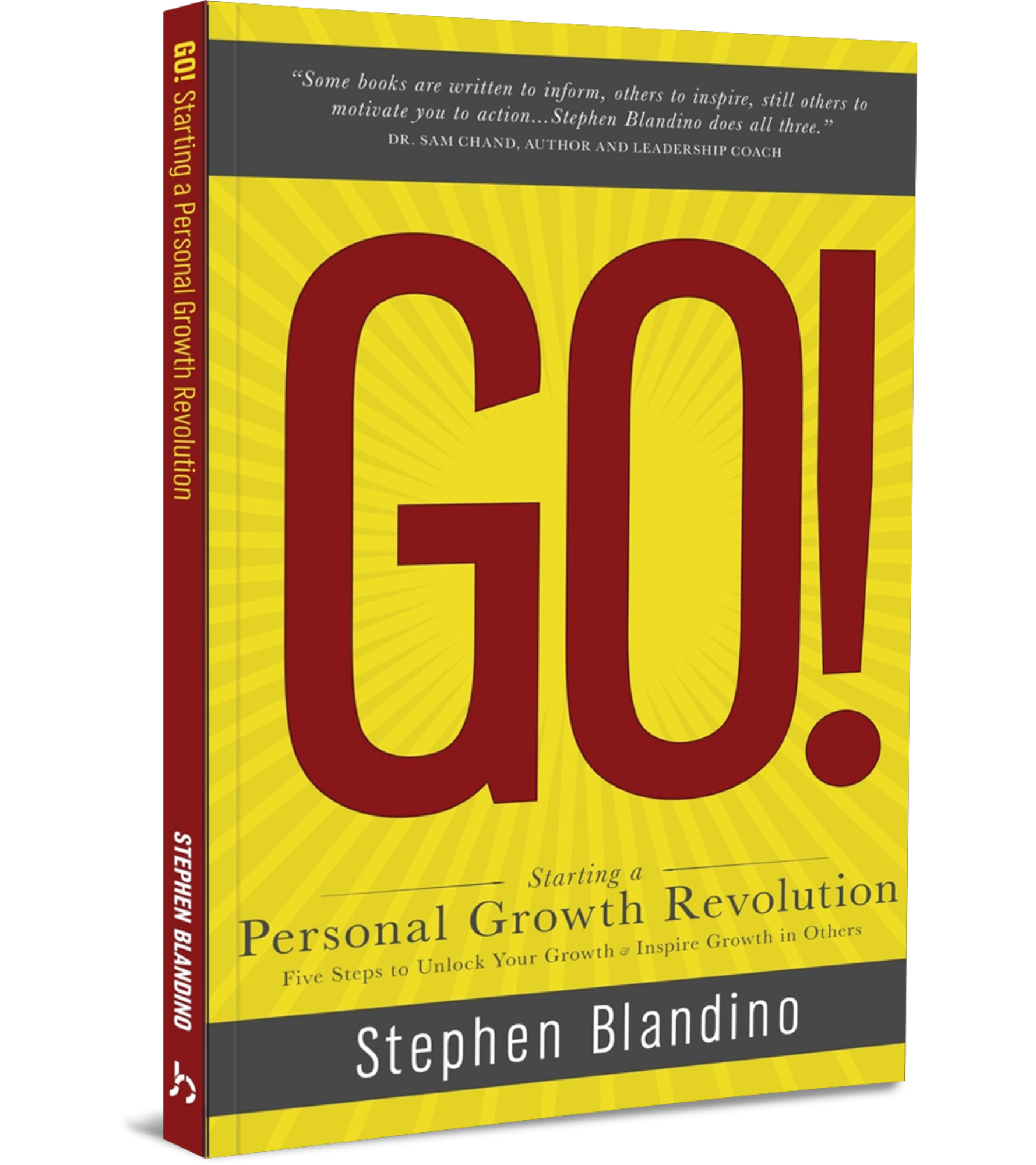
This 38-page guide will help you become a lifelong learner, face your growth gaps, and develop a customized personal growth TRAC. It also includes sample Growth TRACs and a template for crafting your own Growth TRAC. Plus, this powerful tool will help you equip your team to maximize their personal and professional growth.
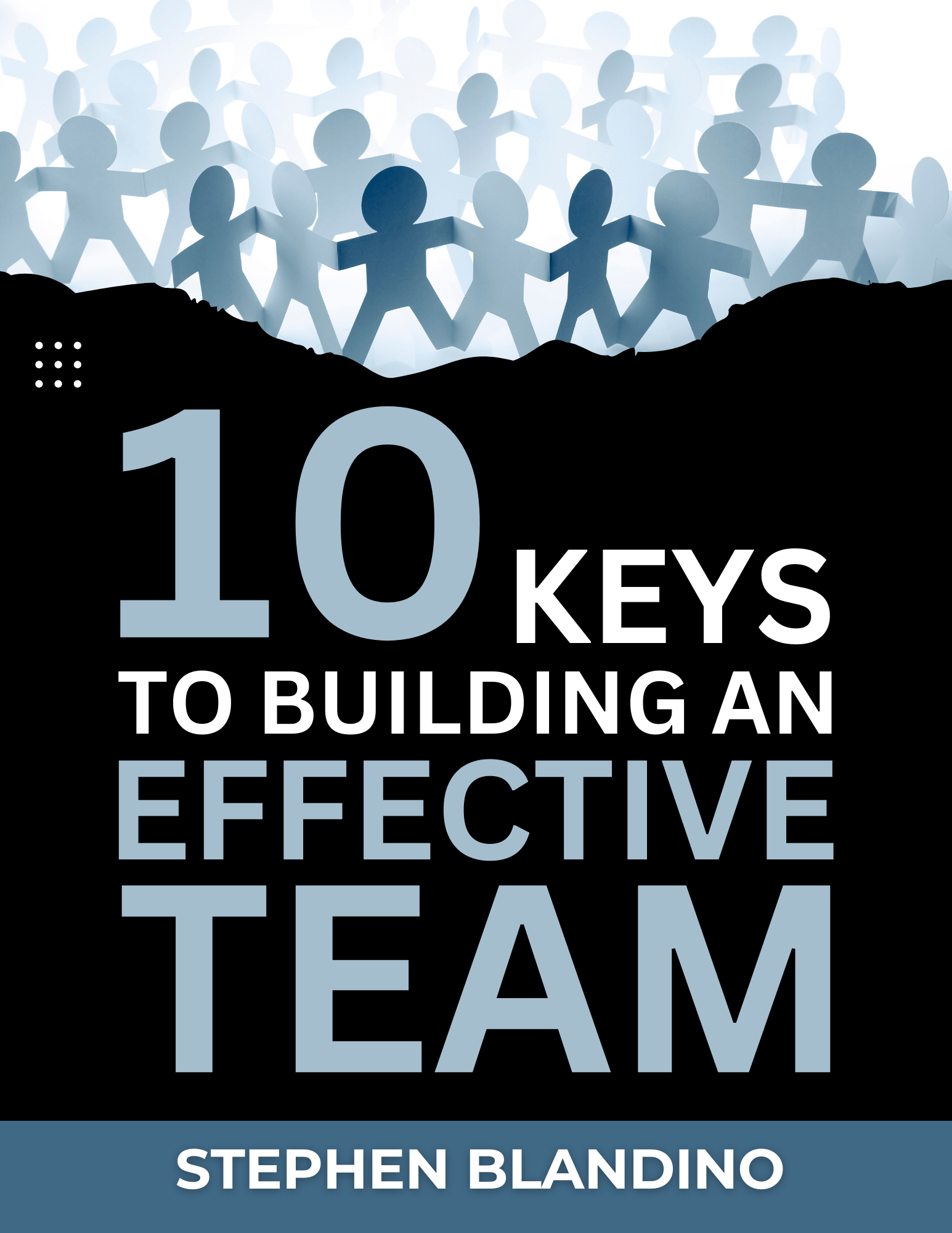
Click the button below and get access to 10 KEYS TO BUILDING AN EFFECTIVE TEAM. This guide gives you a 10-step roadmap to build a high performance team that’s engaged and committed to your organization’s vision. From hiring to engagement, you’ll learn what it takes to develop a unified, focused, and highly productive team.
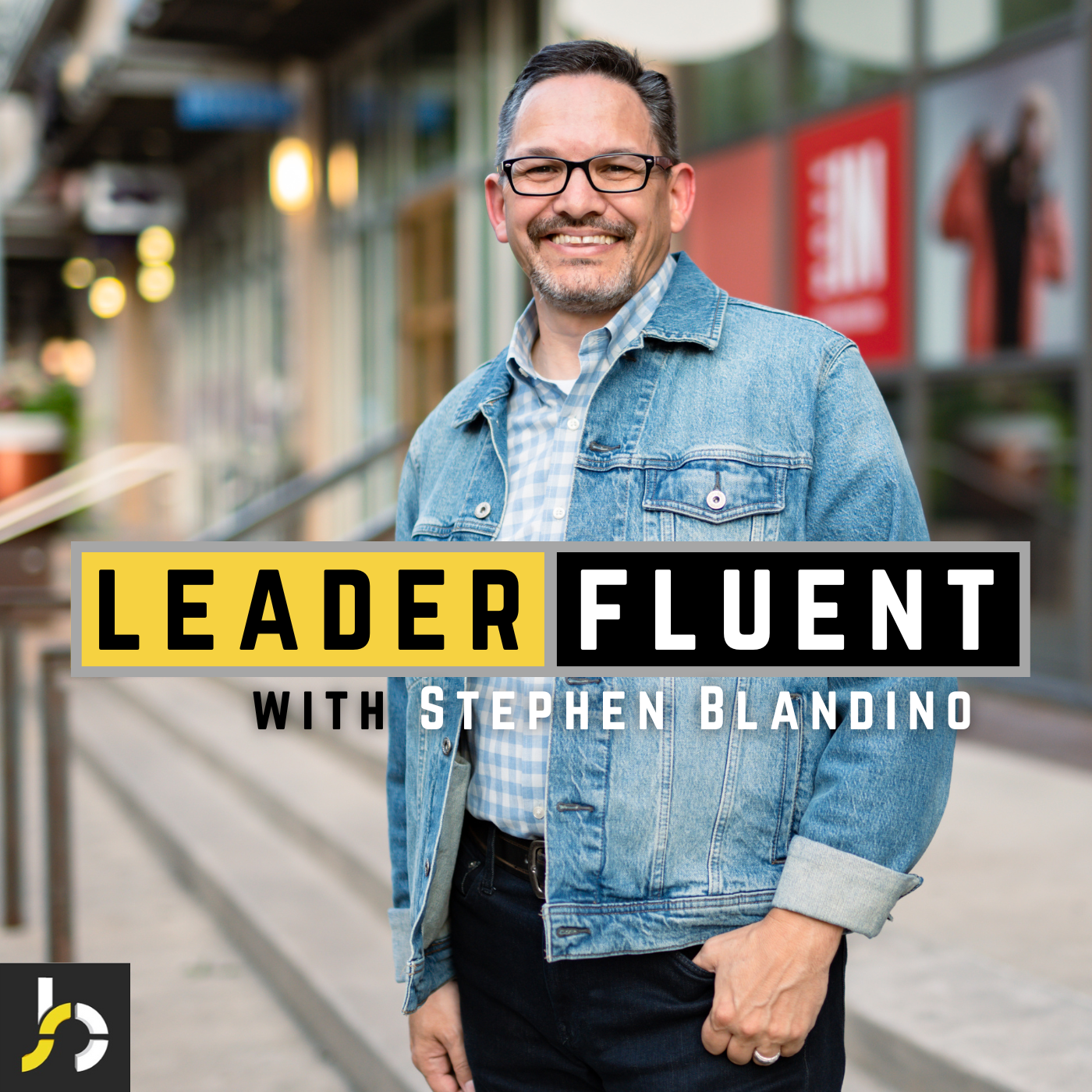
LEADERFLUENT
With Stephen Blandino
In the Leaderfluent Podcast Stephen shares practical, thought-provoking, and easy to apply leadership principles to help you maximize your growth and create a thriving church or organization. Plus, the show notes make it easy to teach to your team.
ABOUT ME
Hi! I’m Stephen Blandino. I am the founder and Lead Pastor of 7 City Church in Fort Worth, Texas. I speak, coach, and write to help motivated pastors and leaders gain clarity, build high-performing teams, and maximize personal and organizational health.
I hold a Doctor of Ministry from Southeastern University and a Master’s in Organizational Leadership from Regent University. I’m the author of six books and the host of the Leader Fluent podcast. I’m a church planter and have executive experience in large and small churches.
I enjoy coaching pastors, leaders, and non-profit executives in leadership, organizational health, team development, life purpose, personal growth, and more.
I live in the Fort Worth area with my wife, Karen. We have one daughter, Ashley, son-in-law, Dylan, and two grandsons, Elijah and Wyatt.

what others are saying
“Life is getting harder…I’m guessing the same is true for you. In his latest book, Stop Chasing Easy, my good friend Stephen Blandino reminds us why easy isn’t fruitful and hard isn’t to be avoided. You’ll read, learn, grow, and share with all your friends—go hard!”
“Concise, strategic, and practical! Stephen Blandino gives you the roadmap you need to develop a healthy organizational culture with fully engaged team members.”
“In Stop Chasing Easy, Stephen Blandino invites us to follow Jesus in ways where we opt into hard things rather than out of them. He presents four trades that will transform our faith and leave an eternity shaping wake.”
“In Do Good Works, Stephen Blandino has given us one of the most practical and accessible resources I’ve seen on this important topic. Follow this process and get started on the good works God has prepared in advance just for you.”